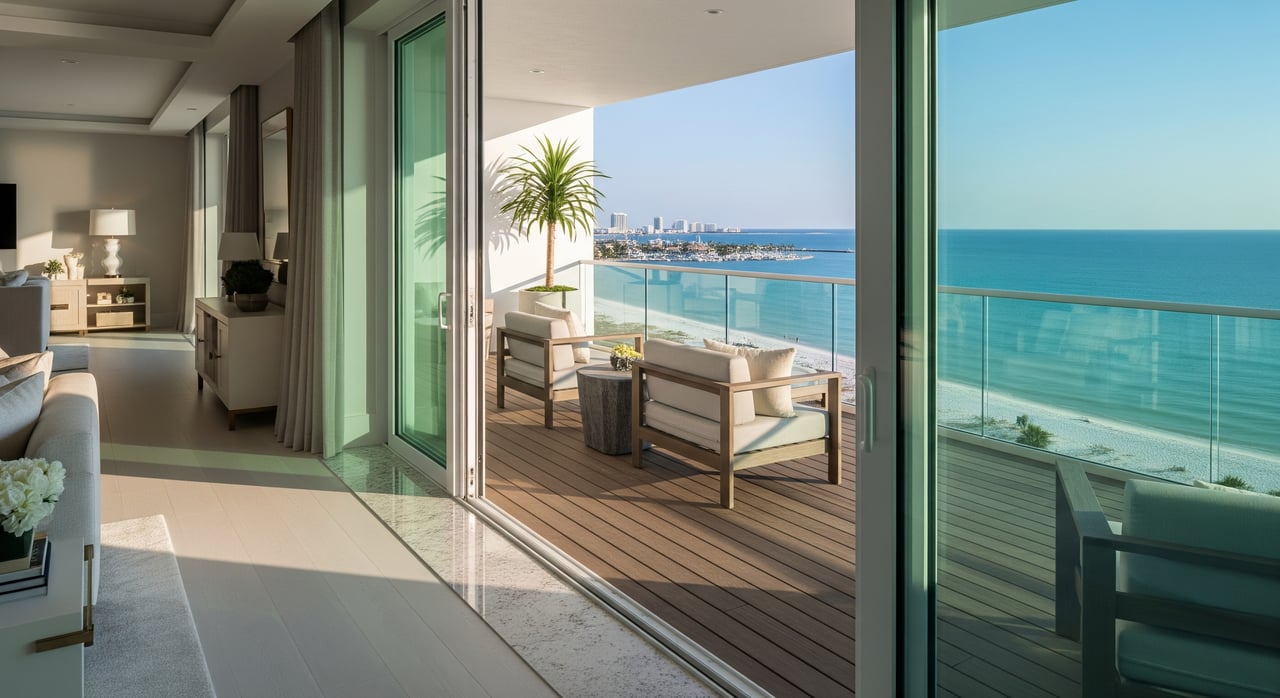
Worried your Redington Beach appraisal might come in low? You are not alone, especially with waterfront homes where views, docks, and flood factors complicate value. With a clear plan, you can protect your budget and keep your purchase moving. In this guide, you will learn how appraisal contingencies work, what appraisers look for on the Gulf Beaches, and what to do if the value comes in short. Let’s dive in.
Appraisal contingency explained
An appraisal contingency is a clause in your purchase contract that lets you cancel or renegotiate if the property does not appraise at or above a set value. Lenders base loan amounts on the appraised value, not the contract price. The contingency protects you from having to make up a financing gap if the appraisal comes in lower than expected. The exact rights and timelines depend on the contract used in Florida and the terms you negotiate.
How it fits with financing
An appraisal contingency is different from a financing contingency. The appraisal contingency deals with the lender’s valuation of the property. The financing contingency focuses on your ability to get a loan on the terms stated in your contract. You can include one or both, and the protections and timelines for each should be clear before you sign.
Typical timelines and steps
After your offer is accepted and you apply for a loan, your lender orders the appraisal. Once the report is delivered, the clock starts on your appraisal contingency period, which is usually measured in days and spelled out in your contract. During that period you can object, renegotiate, or terminate under the contingency. Your agent should track these dates closely, since missing a deadline can limit your options.
How appraisers value waterfront homes
Most Redington Beach residential appraisals use the sales comparison approach. The appraiser selects recent comparable sales, then adjusts for differences such as lot size, living area, condition, and specific waterfront features. Income or cost approaches may be used in special cases, but lenders rely most on market-supported comparable sales. The appraiser must document adjustments with credible data that supports the final opinion of value.
Redington Beach factors that move value
Waterfront details drive big portions of value in Redington Beach. Appraisers consider factors like:
- Waterfront type and access. Gulf-front, open Intracoastal, canals, and non-water views carry different price patterns. Private or community beach access and deeded rights can add value when market data supports it.
- Views and view quality. Open-water Gulf views typically command higher premiums than partial or obstructed views. Clear view descriptions and photo evidence help support adjustments.
- Dock, boatlift, and seawall. Presence and condition of a dock, lift, and seawall matter for usability and cost. Needed repairs can reduce marketability and appraised value.
- Flood risk and elevation. FEMA flood zone, base flood elevation, and actual property elevation affect insurance costs and buyer demand. Elevation certificates and mitigation features are important to document.
- Construction quality and coastal features. Impact windows, wind mitigation, elevated foundations, and permitted improvements can influence value when supported by comps.
- Scarcity and lot size. Redington Beach is a small barrier-island market with limited recent waterfront sales. Appraisers may need to widen the search in time or geography and make larger, market-based adjustments.
If the appraisal comes in low
When the appraised value is below the contract price, you and the seller have several paths. Your contract terms and your lender’s rules set the guardrails.
- Renegotiate the price. The seller reduces the price to the appraised value or a middle ground so the loan can proceed.
- Buyer covers the gap. You bring extra cash to closing to make up the difference between the loan amount and the contract price.
- Split the difference. You and the seller share the gap through a price change or a mix of credits.
- Seller concessions or credits. The seller adjusts price or provides credits that effectively reduce your out-of-pocket cost.
- Reconsideration of value. Your agent submits additional comps or factual corrections for the appraiser to review through the lender’s process.
- Second appraisal. Some programs or lenders allow a second appraisal at your cost. It is not guaranteed and depends on the lender’s policy.
- Cancel the contract. If your contingency allows, you can terminate within the stated period and recover your deposit as the contract permits.
- Change financing. You might switch to a program with different requirements or consider private financing. This option can be riskier and less common.
Negotiation strategies that work
In a small waterfront market like Redington Beach, preparation and documentation make a difference. Focus on objective data that supports value.
- Bring strong comps. Prioritize closed sales with similar frontage type, view quality, water depth, and dock or seawall features.
- Show improvements and permits. Provide itemized lists for recent upgrades, wind mitigation features, and coastal system work, such as seawall or dock projects.
- Clarify flood and elevation details. Share the elevation certificate, surveys, and any engineering reports to reduce uncertainty.
- Ask for lender guidance. Some lenders can run a desk or field review if evidence supports a higher value and their overlays allow it.
- Balance speed and leverage. Sellers often favor a quick compromise over re-listing, while you must weigh paying a premium against the long-term value and your comfort level.
Smart pre-offer moves
You can reduce appraisal stress before you write the offer. A bit of research and planning can pay off once the appraiser visits.
- Request any recent seller appraisal or valuation and ask which comps they considered.
- Have your agent assemble an appraisal-focused comp set with true waterfront comparables, not just broad neighborhood averages.
- Consider a pre-offer desktop opinion from a local appraiser for high-stakes purchases, if feasible.
- Confirm your lender’s appraisal process, review options, and policies for coastal properties.
Clauses and protections to consider
Clear language in your offer can protect your deposit and give you room to negotiate. Discuss these with your agent before submitting.
- Defined appraisal timeline. Set a specific number of days to object after receiving the appraisal report.
- Appraisal gap language. Specify whether you will cover a set dollar gap, pursue a full contingency, or limit the gap you will cover.
- Rebuttal and second appraisal process. Outline who can request a review or second appraisal, and who pays.
- Financing fallback. Clarify whether you can terminate if financing fails due to the appraisal.
- Deposit protections. State if and when your earnest money is refundable in a low-appraisal scenario under the contingency.
Documents that strengthen a rebuttal
When you request a reconsideration of value, give the appraiser and lender a clean, fact-based package.
- Recent comparable sales with matching waterfront attributes and documented view quality.
- Photos and invoices for upgrades, storm-hardening, and coastal systems like docks and seawalls.
- Elevation certificates, surveys, permits, and engineering or inspection reports.
- MLS data snippets and accepted contract details from comparable sales when available.
Local logistics to keep in mind
Coastal insurance and market depth can influence both demand and valuation. Expect a tighter comp set and more qualitative analysis for waterfront properties.
- Flood insurance and availability. Premiums and coverage options can shape buyer demand and perceived value.
- Limited comps. The island setting means fewer perfectly matched recent sales, so appraisers may expand the radius or timeframe and make larger adjustments.
- Seasonal sales patterns. With seasonality, recent sales may be sparse. Appraisers still prioritize the best available data.
Common mistakes to avoid
Avoid preventable appraisal issues by planning ahead and staying flexible.
- Waiving protections without a plan. Do not waive the appraisal contingency unless you are prepared to cover a gap.
- Using weak comps. Do not rely on non-waterfront sales or mismatched frontage types to justify price.
- Missing deadlines. Track your objection window and any review or second appraisal timelines.
- Ignoring flood and elevation. Gather insurance quotes and elevation documentation early to avoid surprises.
If you want a clear plan tailored to your goals, we are here to help. Whether you are pursuing a canal-front home or a Gulf-front escape, our team can coach you through pricing strategy, smart contingencies, and negotiations that keep your deal on track. Connect with the Manly Buns Group to talk through your options.
FAQs
What is an appraisal contingency in Redington Beach purchases?
- An appraisal contingency lets you cancel or renegotiate if the appraised value does not meet a set threshold, protecting you from covering a shortfall your lender will not finance.
How does an appraisal contingency differ from a financing contingency?
- The appraisal contingency focuses on property value used by the lender, while the financing contingency covers your ability to obtain a loan on agreed terms.
What if my Redington Beach appraisal comes in low?
- You can renegotiate the price, cover the gap, split the difference, seek a reconsideration of value, request a second appraisal if allowed, change financing, or cancel under your contingency.
Do waterfront features always raise appraised value?
- Not always. Appraisers apply premiums only when comparable sales support them, such as similar view quality, frontage type, and dock or seawall features.
Can I get a second appraisal for a waterfront home?
- It depends on your lender and loan program. Some allow a second appraisal or a review, but acceptance is not guaranteed and costs are typically yours.
Should I waive the appraisal contingency to win a bidding war?
- Only if you can comfortably cover a potential gap and accept the risk. A limited appraisal gap clause can make your offer stronger while keeping some protection.